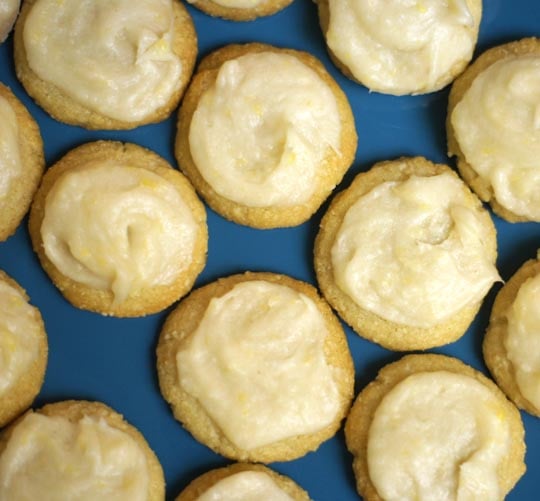
Naturally Sweetened Paleo Lemon Frosting: Your Guilt-Free Zesty Treat
Imagine a topping that's bright, tangy, and incredibly satisfying, yet completely free from refined sugars, dairy, and grains. This isn't a dream; it's the reality of naturally sweetened paleo lemon frosting. Whether you're adhering to a paleo lifestyle, avoiding dairy, or simply seeking a healthier alternative to traditional sugar-laden glazes, this quick lemon frosting is paleo friendly and a true game-changer for your baked goods. It transforms ordinary treats into extraordinary delights without the dreaded sugar crash. This versatile frosting is designed for ease and enjoyment, requiring minimal prep time and delivering maximum flavor impact. Loaded with healthy fats and the vibrant zest of fresh lemons, it's the perfect accompaniment to everything from grain-free cookies to luscious layered cakes. Get ready to elevate your dessert game with a recipe that's as wholesome as it is delicious!The Allure of Paleo Lemon Frosting: Why Go Dairy-Free and Naturally Sweetened?
The appeal of a paleo lemon frosting extends far beyond its delicious taste. For many, it's a conscious choice to embrace a healthier way of eating without sacrificing flavor or enjoyment. Opting for a paleo-friendly frosting means saying goodbye to ingredients like highly processed sugars, artificial flavors, and dairy, which can be inflammatory or problematic for sensitive systems. One of the primary benefits is the use of natural sweeteners. Instead of white sugar, recipes typically call for raw honey or erythritol. Raw honey, a natural gift from bees, offers a complex sweetness along with beneficial enzymes and trace minerals. It provides a more sustained energy release compared to refined sugar, helping to prevent the sharp blood sugar spikes and subsequent crashes. For those following a ketogenic diet or seeking a zero-calorie option, erythritol is an excellent alternative that delivers sweetness without affecting blood glucose levels. This adaptability ensures that your Quick Paleo Lemon Frosting: Healthy Fats & No Sugar Crash is suitable for various dietary needs. Furthermore, this frosting is a champion of healthy fats. Ingredients like coconut oil or full spectrum shortening are not just structural components; they're nutritional powerhouses. Coconut oil, for instance, is rich in medium-chain triglycerides (MCTs), which are easily digested and can provide a quick source of energy. These healthy fats contribute to satiety, making your treats more satisfying and helping you feel full longer. The dairy-free and vegan nature of this frosting makes it accessible to an even wider audience, ensuring that those with allergies, intolerances, or ethical dietary preferences can indulge without compromise. The bright, tart essence of lemon, combined with these wholesome ingredients, creates a refreshing flavor profile that truly enhances any dessert.Crafting Your Perfect Paleo Lemon Frosting: Essential Ingredients & Variations
Creating this delightful paleo lemon frosting is surprisingly simple, often requiring just a handful of ingredients and mere minutes of your time. The magic lies in the quality and balance of these core components.Essential Ingredients:
- Coconut Oil, Softened: This is the backbone of your frosting, providing structure, richness, and healthy fats. "Softened" is key – it should be pliable but not fully melted. If it's too hard, gently warm it; if too liquid, chill it briefly.
- Natural Sweetener:
- Raw Honey: Offers a unique flavor depth and natural sweetness. Adjust quantity to your taste.
- Erythritol (or similar sugar-free sweetener): Ideal for keto or lower-carb versions. Note that erythritol can have a slightly different texture and cooling sensation compared to honey.
- Fresh Lemon Juice: Provides the essential tartness and a liquid component. Freshly squeezed is always best for optimal flavor.
- Lemon Zest: The true hero for that vibrant, aromatic lemon flavor. Don't skip this! The oils in the zest carry the most intense lemon essence.
- Pinch of Sea Salt: A tiny bit of salt goes a long way in balancing the sweetness and brightening all the flavors, preventing the frosting from tasting flat.
Recipe Base (Yields about 1/4 cup, enough for a batch of cookies):
Combine the following in a bowl:
- 2-4 tablespoons softened coconut oil (start with 2, add more for a firmer frosting or if using less sweetener)
- 2-8 teaspoons raw honey OR 8 teaspoons erythritol (adjust to desired sweetness and consistency)
- 1-2 teaspoons fresh lemon juice
- Zest of half to one whole lemon
- Pinch of sea salt
Mix until smooth and creamy. A whisk or a small electric mixer works wonderfully for achieving an airy, uniform consistency. For a deeper dive into ingredient ratios and experimenting with flavors, you might find inspiration in this article: Ingredient Paleo Lemon Frosting for Zesty Baked Goods.
Variations and Customization:
- Consistency Control: If your frosting is too runny, place the bowl in the refrigerator for 10-20 minutes, then stir vigorously. The coconut oil will firm up. If it's too hard, let it sit at room temperature for a few minutes and stir until pliable. The amount of coconut oil can also influence firmness – more oil generally results in a firmer set.
- Flavor Intensity: Love a super tart lemon kick? Increase the lemon juice and zest. Prefer a subtler hint? Reduce them slightly.
- Keto Adaptation: Strictly use erythritol or another keto-friendly granulated sweetener. Ensure your coconut oil is solid enough to hold the frosting together.
- Alternative Fats: While coconut oil is popular, some recipes explore full spectrum shortening for a potentially more stable consistency, especially if you find coconut oil's melting point too low for your environment.
- Color: While naturally off-white, a tiny drop of natural food coloring (like turmeric for a pale yellow) can be added if desired.
Beyond the Bowl: Tips for Perfecting, Storing, and Serving Your Frosting
Mastering this quick lemon frosting paleo friendly recipe involves understanding its unique characteristics, especially its interaction with temperature.Achieving the Perfect Texture:
The key to a smooth, spreadable frosting is starting with softened, not melted, coconut oil. If your kitchen is cool, your coconut oil might be too hard; gently warm it or allow it to sit at room temperature until it reaches a soft, butter-like consistency. Conversely, in a warm environment, coconut oil might be too liquid. A quick 10-20 minute chill in the fridge, followed by a good stir, will help it thicken beautifully. The goal is a uniform, creamy consistency that spreads easily without being greasy or overly stiff.
Temperature Sensitivity is Key:
This frosting's reliance on coconut oil means it's inherently temperature-sensitive. It will start to soften and potentially melt at temperatures above 76°F (about 24°C). This makes it less ideal for outdoor serving on a hot summer day, but perfect for indoor celebrations or chilled treats. Always plan to serve it relatively cool or at cool room temperature.
Chilling for a Flawless Finish:
After frosting your baked goods, it's highly recommended to chill them for at least an hour. This crucial step allows the coconut oil in the frosting to set firmly, creating a stable and clean finish. Once set, you can serve the treats chilled or allow them to come to a slightly cooler room temperature, depending on your preference and the ambient temperature.
Storing Your Zesty Creation:
Leftover frosting or frosted goods should always be stored in an airtight container in the refrigerator. The frosting will firm up considerably when cold. Before using stored frosting, let it sit at room temperature for about 15-30 minutes, then give it a vigorous stir to restore its creamy consistency. Properly stored, this frosting can last for 5-7 days in the fridge, making it excellent for meal prep or enjoying throughout the week.
Scaling Up:
This frosting is so good, you might find yourself wishing you made more! If you're frosting a larger cake or a double batch of cookies, it's a great idea to make a double (or even triple) batch of the frosting from the start. It stores well, so having extra on hand is never a bad thing.
Pairing Your Zesty Creation: Delicious Ideas for Every Occasion
Classic Pairings:
- Grain-Free Sugar Cookies: The quintessential pairing! The simple sweetness of a paleo sugar cookie provides the perfect canvas for the bright lemon notes. The contrast in texture and flavor is simply divine.
- Paleo Cupcakes: Transform plain vanilla or almond flour cupcakes into a sophisticated treat with a generous swirl of lemon frosting. It adds elegance and a refreshing counterpoint to the cake's sweetness.
Creative & Unexpected Pairings:
- Paleo Blueberry Scones: Elevate your breakfast or brunch by topping warm, cooled paleo blueberry scones with this lemon frosting. For an extra citrusy kick, incorporate some lemon zest directly into the scone batter before baking. The combination of sweet blueberries and tangy lemon is a match made in heaven.
- Layered Cakes: While it requires careful temperature management, this frosting can be used between layers of a paleo almond or coconut flour cake, creating a light, zesty filling. Just ensure the cake is well chilled before serving to maintain the frosting's integrity.
- Paleo Muffins & Quick Breads: A dollop of this frosting turns a simple lemon poppy seed muffin or even a zucchini bread slice into a dessert-worthy indulgence. It's also fantastic on pumpkin or sweet potato muffins for a surprising flavor twist.
- Fruit & Dessert Cups: While it might be too soft for a sturdy fruit dip, a small amount swirled into a parfait with fresh berries and paleo granola can add a wonderful creamy, tart layer.
The beauty of this quick lemon frosting paleo friendly recipe is its adaptability. Don't be afraid to experiment! Whether it's for an Easter potluck, a summer picnic (served cool, of course!), or just a delightful everyday treat, this frosting is sure to impress and satisfy without any guilt.
Troubleshooting and FAQs: Your Guide to Paleo Frosting Success
Even with a straightforward recipe, a few common questions or issues can arise. Here’s how to navigate them to ensure your paleo lemon frosting is always perfect."My frosting is too runny!"
This is the most common issue, especially if your kitchen is warm or if your coconut oil was too soft to begin with. The solution is simple: place the bowl of frosting in the refrigerator for 10-20 minutes. Keep an eye on it – you want it to firm up but not become rock-hard. After chilling, give it a good stir. The coconut oil will re-solidify, bringing the frosting to a thicker, spreadable consistency.
"My frosting is too hard or stiff!"
If your coconut oil was very firm or if the frosting has been in the fridge for a while, it might become too hard to spread. Just let it sit at room temperature for 10-15 minutes, then stir it vigorously. If it’s still too stiff, you can try mixing in half a teaspoon of slightly warmed coconut oil at a time, until it reaches the desired texture.
"Why is my frosting grainy?"
Graininess can occur for a few reasons. If using honey, sometimes it can crystallize, especially if not thoroughly mixed or if exposed to temperature fluctuations. Ensure you're using softened coconut oil and mix all ingredients very well until completely smooth. A brief warming over a double boiler (just until slightly softened, not melted) and then re-mixing vigorously can sometimes resolve this.
"Can I make it ahead of time?"
Absolutely! This frosting is great for making in advance. Prepare it as directed, then store it in an airtight container in the refrigerator for up to a week. When you're ready to use it, simply take it out of the fridge, let it soften at room temperature for 15-30 minutes, and then stir until it’s smooth and spreadable again.
"Is this truly vegan?"
This recipe can be 100% vegan if you choose erythritol (or another plant-based granulated sweetener like maple sugar, though that would change the carb count) instead of honey. Honey is generally not considered vegan by strict definitions, as it's an animal product. Using coconut oil as the fat base ensures it remains dairy-free and plant-based.
"Can I use a different fat instead of coconut oil?"
While coconut oil is widely used for its health benefits and setting properties, other fats like full spectrum shortening can be used for similar results, potentially offering slightly better temperature stability. However, using liquid oils (like olive or avocado oil) will not work, as they won't solidify to create a frosting texture. Stick to solid, room-temperature fats for best results.
